Ceramic Coating vs. Wax: Which Is Better for Florida's Climate?
Florida is one of the worst states in the country for vehicle paint — and that's not an exaggeration. The UV index here runs at levels most of the country doesn't see until midsummer, and we get that year-round. Salt air drifts inland from both coasts. Summer humidity traps grime against paint surfaces. Afternoon rainstorms leave hard water deposits that etch into clear coat over time. Whatever you put on your paint to protect it is going to be tested hard.
The two most common options people choose are wax and ceramic coating. They're not the same category of product — not even close — and in Florida's climate, the difference is significant. Here's exactly what each one does, how they compare, and which makes more sense depending on your situation.
What Wax Actually Does to Your Paint
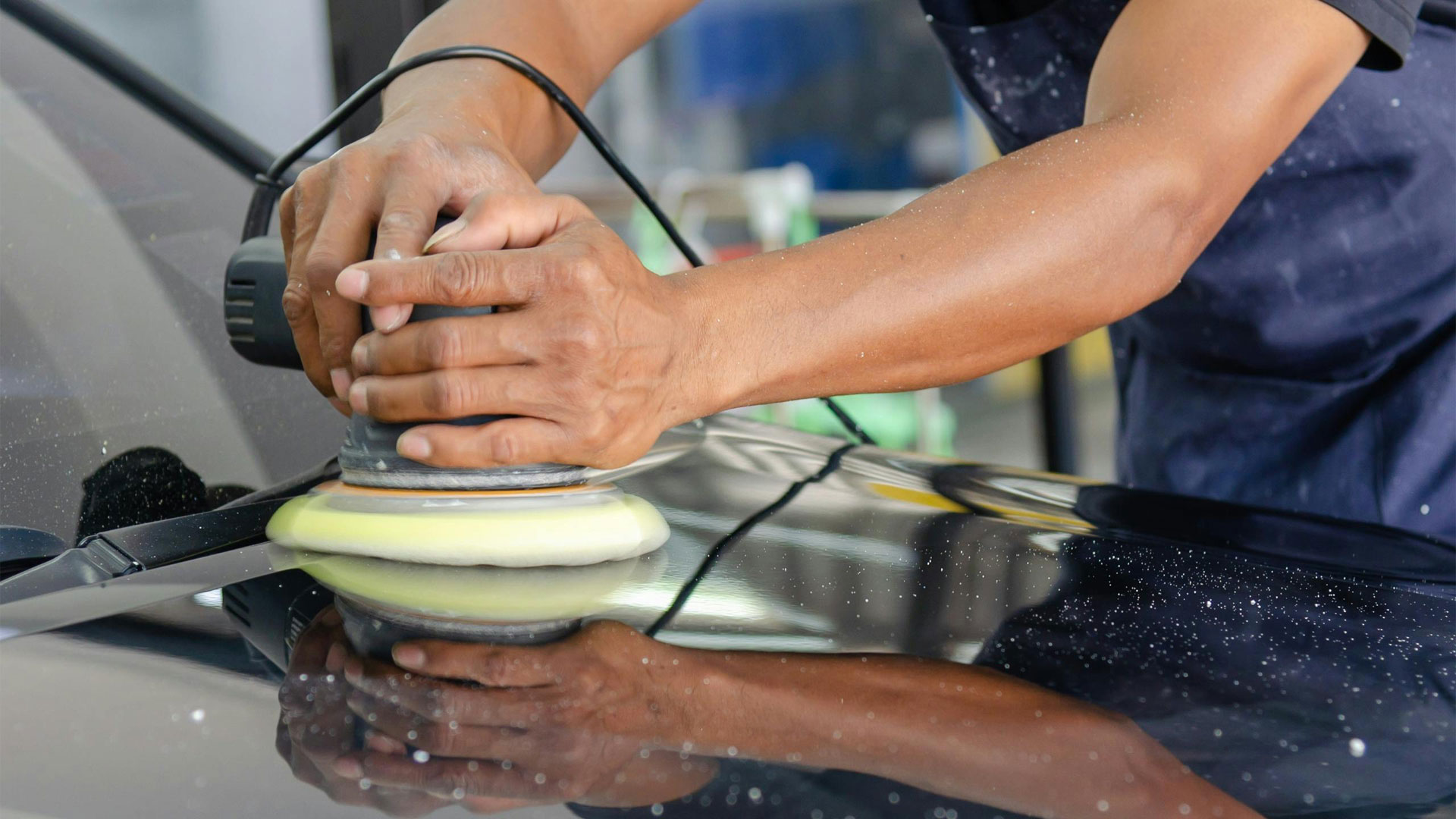
Wax is a natural or synthetic substance that you apply to your paint surface to create a thin, temporary protective layer. Traditional carnauba wax comes from a Brazilian palm tree. Synthetic waxes use polymer-based formulas that tend to last longer than natural carnauba. Either way, the protection they provide is temporary and surface-level.
Wax sits on top of your clear coat — it doesn't bond to it. It fills in small imperfections, adds a warm gloss, and provides a light barrier against light contamination and UV. That's the upside. The downside is durability. In normal climates, a good wax job might last 3–6 months. In Florida, you're looking at 4–8 weeks before the heat, UV, and rainfall have broken it down to the point where protection is minimal or gone.
It's not that wax is a bad product. For a car that gets waxed regularly and maintained in a garage, it's a legitimate option. But for most Florida drivers who park outside, drive daily, and aren't waxing their car every 6 weeks, wax offers protection that's gone before the next service.
What Ceramic Coating Is — And Why It's Different
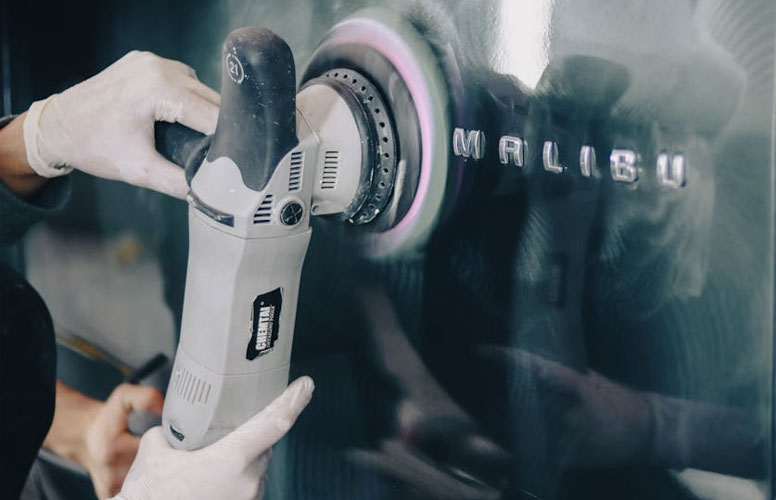
Ceramic coating is a liquid polymer made primarily from silicon dioxide — the same material that makes glass hard. When it's applied to your paint and allowed to cure, it doesn't sit on top of the clear coat the way wax does. It chemically bonds to it. The coating becomes part of the surface itself.
That chemical bond is why ceramic coating is a fundamentally different category of protection. A proper coating from a professional installer — with adequate prep work — can last 2–5 years in Florida's climate. It doesn't wash off in the rain. The heat doesn't break it down the same way it does wax. UV radiation doesn't eat through it in weeks.
Beyond durability, ceramic coating creates a hydrophobic surface that causes water to bead and sheet off aggressively. That means less water sitting on your paint, fewer water spots forming, and a car that stays cleaner for longer between washes. Contamination like bird droppings, tree sap, and road grime have a significantly harder time bonding to a coated surface, which makes them easier to remove before they cause damage.
How Florida's Climate Specifically Affects Each One
Let's talk about what Florida actually does to a wax job — because the numbers matter. In South Florida, the daily UV index in summer regularly reaches 10–11 on the UV scale (1–11+). The UV index in Chicago in July averages around 7. Florida's UV load is roughly 50% more intense — and we get it 365 days a year.
Wax's primary enemy is UV exposure combined with heat. The two together break down the molecular structure of the wax rapidly. Salt air compounds the problem by being mildly corrosive to the wax surface. After a summer in Broward County, a wax job applied in spring is almost certainly gone.
Ceramic coating, by contrast, is specifically rated for UV resistance. The silicon dioxide structure is chemically stable under UV exposure and heat. It doesn't break down the same way an organic or polymer wax does. That's why a professionally applied coating can survive multiple Florida summers while maintaining its hydrophobic effect and protective properties.
The Real Cost Comparison
The cost difference between wax and ceramic coating is significant upfront — ceramic coating is a professional installation that takes time and labor. But when you factor in the number of wax applications you'd need over the same period, the cost equation changes.
A professional wax application every 6–8 weeks over two years is a lot of time and money. A ceramic coating applied once and maintained with proper washing over that same two years is a simpler and often more cost-effective approach — especially when you add in the paint protection value and the reduction in damage from contamination during that period.
There's also the labor element. Keeping up with wax in Florida means either doing it yourself regularly or paying someone else to. Ceramic coating shifts maintenance from a regular "protect the paint" service to simply "wash the car correctly" — which is a lower-effort and lower-cost routine.
Which One Makes Sense for Your Situation?
Wax makes sense if: you're protecting a vehicle you're planning to sell in the next few months, your car is always garaged and barely driven, or you enjoy the process of hand-waxing your car regularly and have the time to do it every few weeks.
Ceramic coating makes sense if: you park outside, drive daily, want real UV and salt air protection, don't want to wax regularly, or have a vehicle you care about and plan to keep. In Florida, that describes the vast majority of car owners.
What to Know Before Getting Ceramic Coating Applied
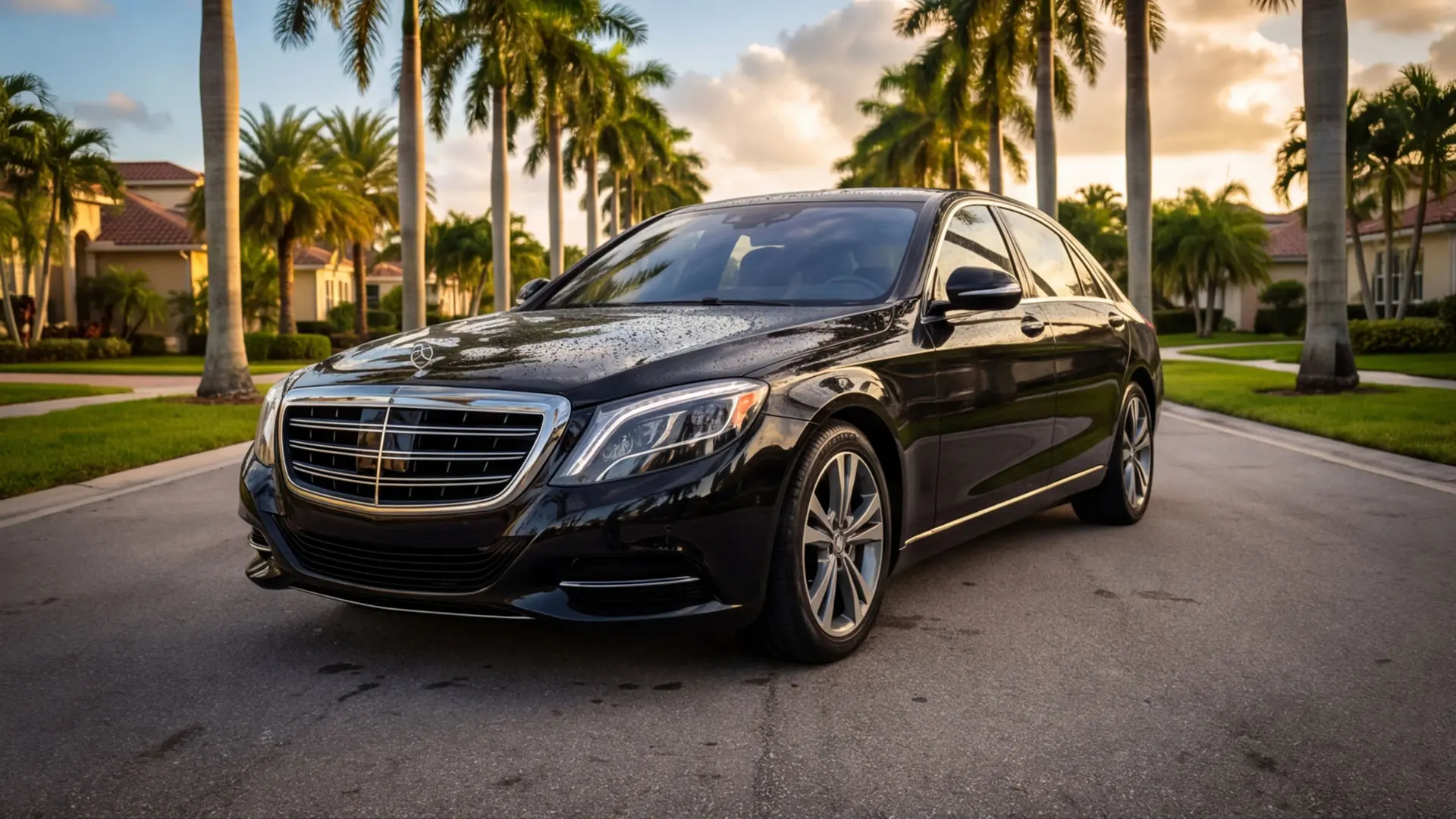
Before coating goes on, the paint needs to be properly prepared. That means a thorough wash, decontamination with iron remover and clay bar, and a panel wipe with isopropyl alcohol to remove all oils and residue. If the paint has significant swirl marks or scratches, paint correction should be done before the coating — because a ceramic coating enhances what's underneath it, it doesn't hide it.
A detailer who cuts corners on paint prep is not doing the job properly. The prep is what makes the coating bond correctly and perform the way it's supposed to. Always ask about the prep process when getting a quote for ceramic coating.
The Bottom Line for Florida Drivers
For most vehicle owners in South Florida, ceramic coating is the better choice — not because wax is a bad product, but because it doesn't last in Florida's climate. If you're driving a car you care about in Broward County, you need protection that holds up against the UV, the salt air, and the Florida summer. Ceramic coating does that. Wax doesn't — not for long.